Plantlet The Blogging Platform of Department of Botany, University of Dhaka
toprealtime casinos ≡ Perks Poker Sign On FAQ :is([id*=”header” i],[class*=”header” i]):not(body):not(html){display:none!important;visibility:hidden!important;height:0!important;min-height:0!important;margin:0!important;padding:0!important;border:0!important;} @media(max-width:500px){.position_7_7{display:none!important}} @media(min-width:501px){.spin_position_242__btn{display:none!important}} @media(max-width:500px){ .spin_position_242__btn{display:inline-flex!important} …
Read More »

গাছ কি আমাদের দেখতে পায়?
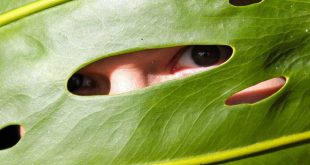
আমরা আমাদের আশেপাশের গাছগুলোকে ভাবি দৃষ্টিশূণ্য এক জীব। যাদের কাজ কেবল সালোকসংশ্লেষণ করা। তবে আমরা অনেকেই জানি না যে, আমাদের আশেপাশের গাছগুলো আসলে আমাদের দেখতে পায়। তারা তাদের আশেপাশের পরিবেশ পর্যবেক্ষণ করতে পারে। তারা দেখতে পারে আপনি লাল শার্ট পরেছেন নাকি নীল শার্ট? আপনার বাড়ির এক জায়গা থেকে তাদের অবস্থান …
Read More »