 Plantlet The Blogging Platform of Department of Botany, University of Dhaka

First model – proposed by Jude (1940) and Lindemann (1942). Later on more sophisticated models proposed, by Odum (1957), Teal (1957) and Mann (1969). Model proposed by Mann (1969) is shown in Fig. Two principles apply in it: According to laws of thermodynamics, energy can be up taken only once, …
Read More »TimeLine Layout
October, 2019
-
6 October
Origin Of Bryophytes
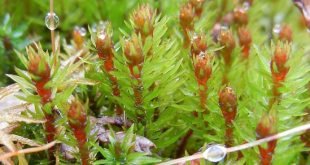
Though almost in all cases, when we talk about the origin, it goes about the discussion of fossils, bryophytes don’t have any primitive form than what at present-day it is. Usually, the study about the origin of bryophytes is something like a hypothesis- based upon the comparative studies about the …
Read More » -
6 October
Biomass Destruction in Aquatic Bodies

Biomass Biomass is the weight of living matter per unit area at a given time at a given place. Future of Biomass In aquatic ecosystem, produced biomass may either enter into food chain or undergoes destruction. In lentic waters, nutrients present in biomass get recycled, except sedimentation of small fraction. …
Read More » -
2 October
Takhtajan’s System of Classification

Present-day Armenian-born botanist & systematist Armen Leonovich Takhtajan (1910-2009) was one of the most influential figures of 20th century in the field of plant evolution, systematics, and biogeography. His other interests included morphology of flowering plants, paleobotany, and the flora of the Caucasus (region between the Black sea & the Caspian sea). Good to know …
Read More »
September, 2019
-
24 September
Anthoceros: The Hornworts
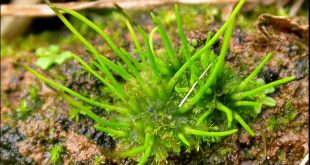
Systematic position Division: Bryophyta Class: Anthoceropsida Order: Anthocerotales Family: Anthocerotaceae Genus: Anthoceros Habit and Habitat The name ‘Anthoceros’ means ‘flower horn’ and refers to the characteristics horn-shaped saprophyte. Anthocerosis a genus of hornworts in the family Anthocerotaceae. With about 250 species, it is widely distributed in the tropical and temperate regions …
Read More » -
19 September
Transcription: The Mechanism of pre-mRNA Synthesis

Transcription is the synthesis of RNA molecule using one of the DNA strands as a template. It is the first step in the transfer of genetic information from genotype to phenotype. However, this process of transcription is a highly selective one i.e definite genes are transcribed only when their products …
Read More » -
9 September
Regulation of Gene Expression in Prokaryotes: General features and Significance
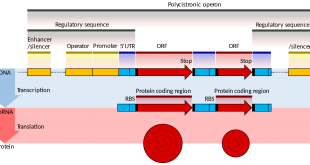
Every cell of an organism possesses all the structural genes or cistrons. The genes produce proteins and control the activities of the organism. But a genetic system doesn’t allow them to function all at a time in order to avoid enzymatic chaos. Many gene products are only needed occasionally by …
Read More »
August, 2019
-
21 August
Sphagnum: A Useful Peat

(AB: This article only contains the use of peat from Sphagnum and it’s uses in gardening. Although some constructive discussions are in here to facilitate it, they are not exhaustive.) If you are fond of gardening or concerned about the dying condition of your trees, this article will be helpful …
Read More » -
14 August
Porella: The Leafy Liverworts
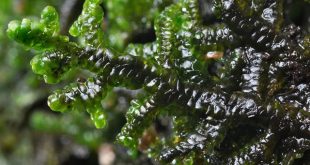
Systematic Position Division : Bryophyta Class : Hepaticopsida Order : Jungermanniales Family : Porallaceae Genus : Porella Habit And Habitat Get Free Netflix Now Best safe and secure cloud storage with password protection GPL Themes For Free Get Envato Elements, Prime Video, Hotstar and Netflix For …
Read More » -
14 August
Selaginella: Tale of spikemosses
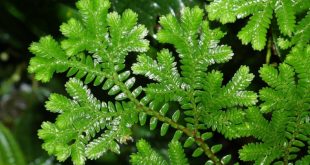
Selaginella sp. is the sole genus of the vascular plant under the family Selaginellaceae and order Selaginellales. The member of this order has herbaceous stems that are usually without any indication of secondary thickening. Commonly known as spike mosses. Classification Division: Lycophyta Class: Ligulopsida Order: Selaginellales Family: Selaginellaceae Genus: Selaginella …
Read More »