 Plantlet The Blogging Platform of Department of Botany, University of Dhaka
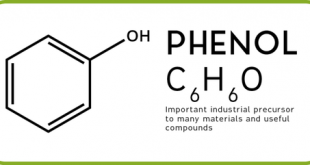
What is Phenol? A large number of phenolic compounds which occur in plants as secondary metabolites are commonly known as Phenols. They are also known as Phenolies, Phenic acid, Benzenol and Carbolic acid.These compounds were first identified by German chemist Friedlieb Ferdinand Runge. They all are a chemical compounds consisting …
Read More »TimeLine Layout
July, 2020
-
5 July
Mitosis: Equational Division and Its Stages
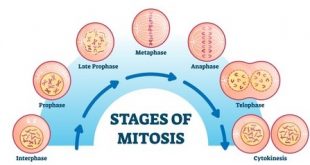
Mitosis is one kind of cell division that occurs in the somatic cells of the body. It produces two daughter cells in each division. The daughter cells have the same number of chromosomes as in mother cells. Therefore, the Haploid mother cell (n) will produce two haploid daughter cells (n) …
Read More » -
5 July
Mycoplasma: The Simplest Prokaryotic Cell
Mycoplasma, also known as PPLO- are the simplest prokaryotic cell. Mycoplasma is a group of small parasitic bacteria that lacks cell walls and can survive without oxygen and generally resistant to antibiotics and can cause pneumonia and urinary tract infections in animals and humans. Few common species of mycoplasma …
Read More » -
5 July
Introduction to & Basic Concepts of Plant Breeding

Plant breeding started with sedentary agriculture, particularly the domestication of the first agricultural plants, a practice which is estimated to date back 9,000 to 11,000 years. Initially, early human farmers selected food plants with particular desirable characteristics and used these as a seed source for subsequent generations, resulting in an …
Read More » -
2 July
Biodiversity Loss & Conservation : Conservation and its Types

Conservation Global acceptance – that conservation of Biodiversity is essential; so, many countries and world organizations are active with definite agenda for conservation What is conservation? “Conservation is the management of human use of the biosphere to yield greatest sustainable benefit to current generations, while maintaining its potential to meet …
Read More » -
2 July
Biodiversity loss and Conservation : Causes of Extinction

Biodiversity loss and Conservation Extinction is the evolutionary equivalent of the proverbial adage that “death and taxes are inevitable.” Evolutionary biologists are certain that, just as every person will eventually pass away, every species will eventually go extinct. In reality, according to the fossil record, 99.9% of all species …
Read More »
June, 2020
-
26 June
Ratargul Swamp Forest: The Green Mystery & Discussion Of Plants (Part 2)
Ratargul Swamp Forest is the only swamp forest located in Bangladesh and one of the few freshwater swamp forests in the world. In the previous article, it’s Geography, Ecosystem & Diversity had been discussed. In this one, some of the beauty enhancer and beneficial trees of Ratargul will be discussed in …
Read More » -
24 June
CRISPR Cas9: Plant Breeding is now at the Speed of Light
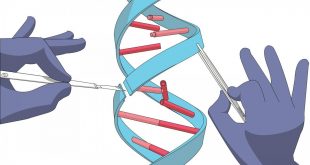
Introduction Plant breeding has been practised for thousands of years, since the rudiments of human civilization. It is now discussed worldwide by government institutions. Plant breeding is the purposeful manipulation of plant science in order to create desired genotypes and phenotypes for quest. This manipulation involves either controlled pollination, genetic …
Read More » -
21 June
The Age of Bacteria

Planet Earth is about 4.55 billion years old. A sense for this achingly long time grew only slowly throughout the nineteenth century as geological and biological inquiry unravelled the pattern and processes of the planet’s natural environment. The 4.55 billion figure derives from the decay of radioactive forms of elements …
Read More » -
20 June
Biodiversity: Life & Some Basic Concepts
Our awareness of current threats to biodiversity and prospects for future survival arises in part because we know of animals and plants that have become extinct in the past. News media feed an appetite for tales of dinosaurs, mammoths, living fossils and missing links. The biodiversity of Earth is not …
Read More »