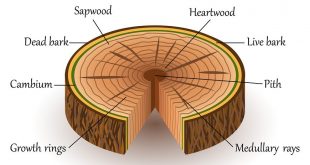
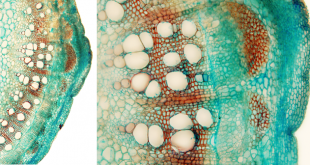
Wood is a porous and fibrous structural tissue found in the stems and roots of trees and other woody plants. It is an organic material – a natural composite of cellulose fibers that are strong in tension and embedded in a matrix of lignin that resists compression. In this article, Internal structure of Wood …
Read More »Anomalous Secondary Growth
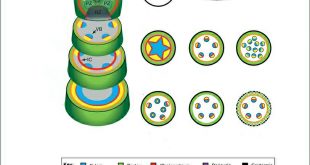
Anomalous secondary growth” is the term under which have been grouped cambial conformations, cambial products, and cambial numbers which differ from the most common “normal” condition, namely, a single cylindrical cambium that produces phloem externally and xylem internally. In this article, Anomalous secondary growth, it’s causes and position will be …
Read More »Periderm: Structure and Development
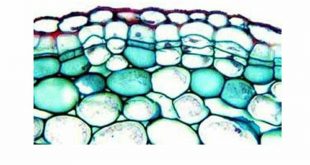
Periderm is the corky outer layer of a plant stem formed in secondary thickening or as a response to injury or infection. It is a cylindrical tissue that covers the surfaces of stems and roots of perennial plants during early secondary growth; therefore it is not found in monocots and …
Read More »Root-Stem Transition
The change in arrangement of vascular tissues of roots having separate strands of phloem and xylem with exarch protoxylem to collaterally placed phloem and xylem with endarch protoxylem of stem is commonly referred to as root–stem transition. In higher plants root and shoot form a continuous axial structure. In this article, The Transition of Root and Stem …
Read More »Secondary Growth of Dicot Stem and Root
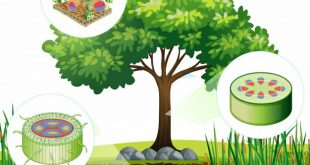
Secondary growth is characterized by an increase in thickness or girth of the plant. It is caused by cell division in the lateral meristem. Herbaceous plants mostly undergo primary growth, with little secondary growth or increase in thickness. Secondary growth is initiated by the activity of the vascular cambium as …
Read More »Primary Structure: Dicotyledonous, Monocotyledonous Root & Leaf
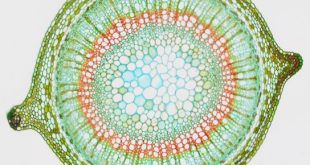
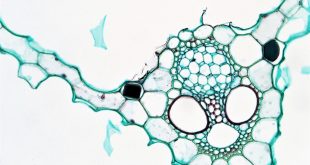
Root is the underground part of a vascular plant and Leaf is the flattened outgrowth from stem of a vascular plant. In this article, the Primary structure of Root and Leaf will be discussed in detail. Primary Structure of Dicot Root The root of Dicot plants usually consists of Epidermis, …
Read More »Primary Structure: Dicotyledonous & Monocotyledonous Stem
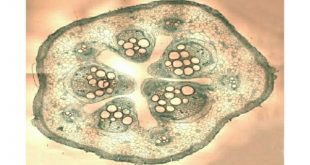
The part of the axis of the plant which is usually ascending and aerial in nature, and also bears the leaves and reproductive structures is called the stem. The stem together with the leaves which it bears constitute the shoot. It is composed of three tissue systems that include the …
Read More »Meristematic Classification & Theory
Meristematic tissue is the plant tissue that has the ability to divide actively throughout its life. It consists of undifferentiated cells capable of cell division. Apical Meristamatic tissue is one kind of meristem which stays at the tip of a plant shoot or root and causes the shoot or root to …
Read More »
Plantlet The Blogging Platform of Department of Botany, University of Dhaka