Cytology

Classification of Life: The Three Domain Concept
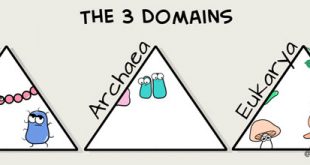
A domain is the highest taxonomic level of species in biology. In 1977, Woese and his coworkers developed the groundbreaking three-domain system.  They proposed this classification based on differences in the sequences of nucleotides in the cell’s ribosomal RNAs (known as 16S rRNA). They created the first worldwide tree of …

Read More »

Cytotaxonomy: Study of Chromosome Behaviour

Chromosome behaviour is an important factor that determine the pattern of variation and taxonomic distinctness. Pairing behavior and subsequent separation of chromosome occurs at meiosis. In reporting results of pairing studies, univalents are represented by Is, bivalents by IIs, etc. Some taxonomic information can be gained from the study of …

Read More »

Cytotaxonomy: Study of Chromosome Structure

Study of chromosome structure is very important in cytotaxonomic studies. It includes chromosome size, shape and position of centromere (i.e. arm-length ratio of each chromosome in the genome) Chromosomal size and shape are also important as taxonomic criteria in taxonomy. For examples, The chromosomal ratio if Mediola and Trillium of …

Read More »

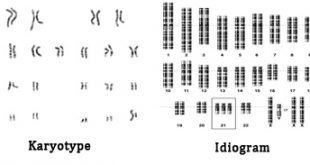
Karyotype and Idiogram : A way to provide preliminary idea about Genome

Karyotype Most living organisms have chromosomes as the structural and functional units of genetic information in their cells. The number and appearance of chromosomes vary species to species. A karyotype is an organized profile of total chromosomes in a species or in an individual organism. It gives a preliminary idea …

Read More »