 Plantlet The Blogging Platform of Department of Botany, University of Dhaka

Carbohydrates are fundamentally the sugars, starches and fibers found in fruits, grains, vegetables and milk products. Though often it slander in trendy diets, carbohydrates which is one of the basic food groups which are important to a healthy diet. A carbohydrate is a biomolecule containing of carbon (C), hydrogen (H) and oxygen (O) atoms, normally with …
Read More »TimeLine Layout
November, 2020
-
5 November
Hydrangea: A Natural Acid Base Indicator & Wonder of Colors

Hydrangea is one of the world’s most popular ornamental flowers that conceals a bouquet of biological and biochemical surprises. The iconic “snowball” shaped blooms of Hydrangea macrophylla show magical color variation from soil to soil. In this article, incredibly interesting facts about the natural pH indication and color variation of …
Read More » -
3 November
Forest Ecology and Classification
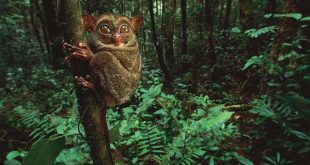
Forest ecology is the study of all aspects of the ecology of wooded areas, including Rainforest, Deciduous and Evergreen, Temperate and Boreal forest. In this article, Definition of Forest and Classification of Major Forests of the World will be discussed in detail. Definition of forest According to Forest Resources Assessment, …
Read More » -
2 November
Soils of Bangladesh: Formation and Tracts
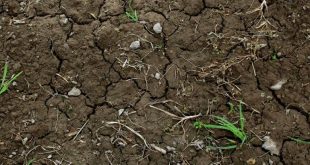
Because of being an ‘agricultural country’, soil has always been a matter of concern in Bangladesh. Despite being a small country, soils of Bangladesh shows huge varieties. There are many recognized and unrecognized causes of such varieties. Normally, due to a diverse nature of physiographic condition, land type, parent materials …
Read More » -
1 November
Bark and Lenticel: A Brief Discussion
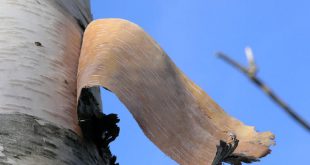
The bark is the outermost covering of stems and roots of woody plants (especially trees) and is composed of periderm, cortex, and phloem. A lenticel is a porous tissue consisting of cells with large intercellular spaces in the periderm of the secondarily thickened organs and the bark of woody stems and roots …
Read More » -
1 November
Bacterial Habitats & Importance
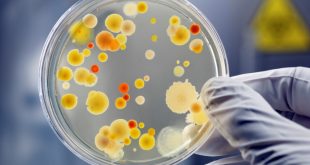
Bacteria (singular: bacterium) are microscopic unicellular organisms that thrive in a variety of environments. These organisms can live in the soil, in the ocean and in the human gut. This organisms are available almost everywhere on our earth and are important to the planet’s ecosystems. Some species can live under …
Read More »
October, 2020
-
31 October
Organization & Structure of Genome: Genome Size
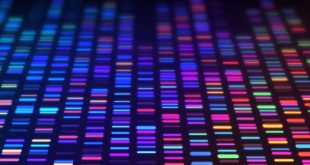
The sum of all genetic material of an organism including coding regions, non-coding regions, chloroplast DNA, mitochondrial DNA is called the genome of that particular organism. The study of the structure and function of the genome of an organism is called Genomics. Generally, it can be of three types. Functional …
Read More » -
31 October
Soil Environment
Soil is defined differently by soil scientists, and its definition has changed overtime. Since the year 1800, there have been more than 80 different definitions of soil available in literature. Generally, soil can be defined as the organic and inorganic materials on the surface of the earth that provide the …
Read More » -
31 October
Water Resources
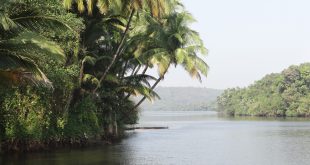
Water: Water is a transparent and nearly colorless chemical substance that is the main constitute of Earth’s streams, lakes, oceans and the fluids of most living organisms. Resource: A resource is any physical material constituting part of Earth that people need and have value. Natural materials become resource when humans …
Read More » -
30 October
Bacterial Structure
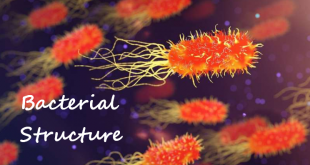
Bacteria (singular: bacterium) are classified as prokaryotes. They are single-celled life/body with a simple core-less internal structure and contain DNA that swims freely in a twisted, thread-like matter called a nucleoid, or in circular parts called plasmids. Bacteria are single-celled microscopic life/organisms that grow in different environments, and these organisms can live in …
Read More »