Yearly Archives: 2019

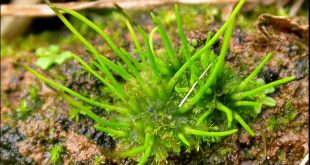
Anthoceros: The Hornworts

Systematic position Division: Bryophyta Class: Anthoceropsida Order: Anthocerotales Family: Anthocerotaceae Genus: Anthoceros Habit and Habitat The name ‘Anthoceros’ means ‘flower horn’ and refers to the characteristics horn-shaped saprophyte. Anthocerosis a genus of hornworts in the family Anthocerotaceae. With about 250 species, it is widely distributed in the tropical and temperate regions …

Read More »

Selaginella: Tale of spikemosses

Selaginella sp. is the sole genus of the vascular plant under the family Selaginellaceae and order Selaginellales. The member of this order has herbaceous stems that are usually without any indication of secondary thickening. Commonly known as spike mosses. Classification Division: Lycophyta Class: Ligulopsida Order: Selaginellales Family: Selaginellaceae Genus: Selaginella …

Read More »

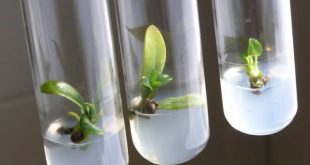
Embryo culture technique: To overcome barriers of distantly related crosses.

What is embryo culture? Embryo culture is the sterile isolation and growth of an immature or mature embryo in vitro with the goal of obtaining a viable plant. Embryo rescue technique in overcoming barriers of distantly related crops: Distant hybridization: Hybridization between individuals from different species, belonging to the same …

Read More »

Rickettsia: The Disease Causing Bacteria (Part-1)

‘Rickettsia’ is a genus of non-motile, gram-negative, non spore-forming, highly pleomorphic bacteria that may occur in the forms of cocci, rods, or threads. The term ‘rickettsia’ has nothing to do with ‘rickets’, which is a deficiency disease resulting from lack of vitamin D; the bacterial genus ‘Rickettsia’ was named after Howard Taylor …

Read More »