Plant breeding started with sedentary agriculture, particularly the domestication of the first agricultural plants, a practice which is estimated to date back 9,000 to 11,000 years. Initially, early human farmers selected food plants with particular desirable characteristics and used these as a seed source for subsequent generations, resulting in an …
Read More »Biodiversity Loss & Conservation : Conservation and its Types
Conservation Global acceptance – that conservation of Biodiversity is essential; so, many countries and world organizations are active with definite agenda for conservation What is conservation? “Conservation is the management of human use of the biosphere to yield greatest sustainable benefit to current generations, while maintaining its potential to meet …
Read More »Biodiversity loss and Conservation : Causes of Extinction
Biodiversity loss and Conservation Extinction is the evolutionary equivalent of the proverbial adage that “death and taxes are inevitable.” Evolutionary biologists are certain that, just as every person will eventually pass away, every species will eventually go extinct. In reality, according to the fossil record, 99.9% of all species …
Read More »CRISPR Cas9: Plant Breeding is now at the Speed of Light
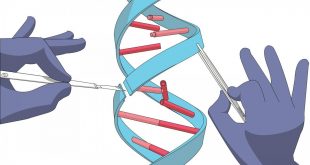
Introduction Plant breeding has been practised for thousands of years, since the rudiments of human civilization. It is now discussed worldwide by government institutions. Plant breeding is the purposeful manipulation of plant science in order to create desired genotypes and phenotypes for quest. This manipulation involves either controlled pollination, genetic …
Read More »The Age of Bacteria
Planet Earth is about 4.55 billion years old. A sense for this achingly long time grew only slowly throughout the nineteenth century as geological and biological inquiry unravelled the pattern and processes of the planet’s natural environment. The 4.55 billion figure derives from the decay of radioactive forms of elements …
Read More »Medicinal Plants: Classification
Before classification we have to know what is a medicinal plant. There are many definitions. World Health Organisation (WHO) has defined medicinal plants as plants that contain properties or compounds that can be used for therapeutic purposes or those that synthesize metabolites to produce useful drugs (WHO 2008). We can classify …
Read More »Agaricales: Agarics & Boletes
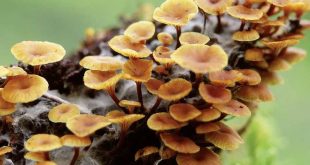
Agaricales is an order of fungi in the class Agaricomycetes (phylum Basidiomycota, kingdom Fungi). It is one of the most diverse orders of the phylum Basidiomycota. Traditionally, agarics were classified based on the presence of gills (thin sheets of spore-bearing cells, or basidia) and mushroom-shaped fruiting bodies. Some other conspicuous …
Read More »Clavicipitales: Ergot by Claviceps Purpurea
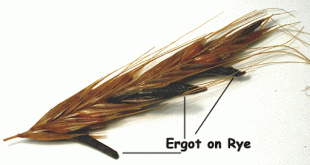
Claviceps are member of the pyrenomycetes, fungi which are referred when they form perithecial ascocarp. They are important as the parasites of many endophytes in their life as discussed below- Classification Class: Ascomycetes Sub-class: Hymenomycetidae I, Hymenomycetidae II. Order: Hypocreales Family: Clavicipitaceae Genus: Claviceps Vegetative structure The intercellular hyphae are …
Read More »Erysiphales: Genera Causing Powdery Mildews
One of the important fungi which influence human life belongs to the order Erysiphales. This fungi causes powdery mildew disease to plants, so named as the infected plant appear to be covered by a white, powdery material. This is none other than due to the powdery conidia, which are blown …
Read More »Eurotiales: Perfect & Imperfect Stages of Aspergilli & Penicilli
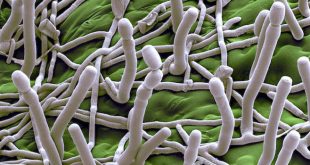
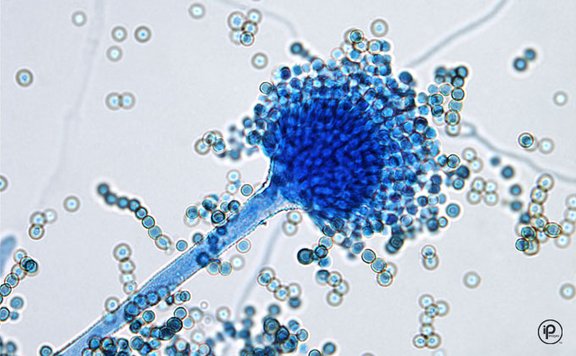
Aspergillus Why do some sexual stages lack active antheridium? What are the conditions favouring sexual reproduction? Good to know The mycelial or ascospore stages are the ones that overwinter in the life cycle. Classification Phylum: Ascomycota (Filamentous ascomyecetes) Class: Ascomycetes Order: Eurotiales Family: Trichocomaceae Genus: Aspergillus Species: A. niger, A. …
Read More »
Plantlet The Blogging Platform of Department of Botany, University of Dhaka