Classic Layout

Nitrogen Cycle: Converting Nitrogen into Multiple Chemical Forms

The nitrogen cycle is the biogeochemical cycle by which nitrogen is converted into multiple chemical forms as it circulates among the atmosphere, terrestrial, and marine ecosystems. The conversion of nitrogen can be carried out through both biological and physical processes. Important processes in the nitrogen cycle include fixation, ammonification, nitrification, …

Read More »

Rhizosphere & Its Effects

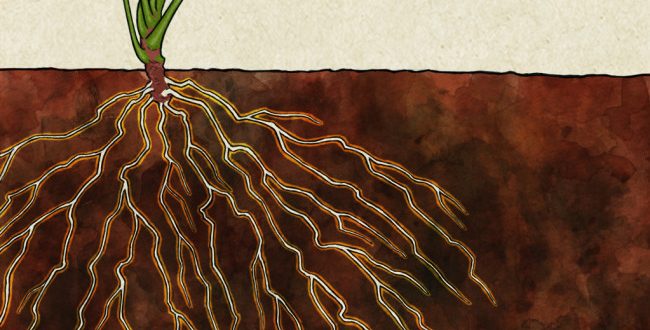
Positive and negative interactions take place not only between microbes but also between microbes and plants. The rhizosphere is a zone of predominantly commensal and mutualistic interactions þetween microbes and plants. Plant roots provide such suitable habitats for the growth of microorganisms that high numbers of different microbial populations are …

Read More »

Interactions among Microbial Populations

Organisms living together in a community influence each other directly or indirectly under natural conditions. All vital process of living such as growth, nutrition, reproduction required interactions between individuals of same species, or between species which are inter and intra-related. Such relationships of individuals in a population of an ecosystem …

Read More »

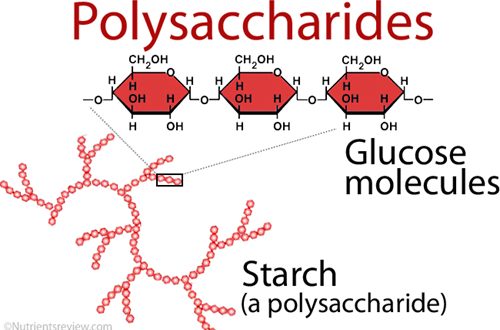
Polysaccharides: The Long Chain of Simple Sugars

Polysaccharides are polymeric carbohydrate molecules composed of long chains of monosaccharide unit bound together by glycosidic linkage. Example: starch, glycogen, cellulose, chitin etc. Characteristics of polysaccharide On hydrolysis, they yield monosaccharide units which are usually similar. D glucose is the commonest component of polysaccharide. They have high molecular weight. They …

Read More »

Disaccharides: Bonding of Two Simple Sugars

A disaccharide, also called double sugar, is the sugar formed when two monosaccharides (simple sugars) are joined by a glycosidic linkage. Like monosaccharides, disaccharides are soluble in water. Three common examples are sucrose, lactose, and maltose. Disaccharides are one of the four chemical groupings of carbohydrates (monosaccharides, disaccharides, oligosaccharides, and polysaccharides). The most common …

Read More »

Transposable Genetic Elements

Transposons were first discovered in corn (maize) during the 1940s and ’50s by American scientist Barbara McClintock, whose work won her the Nobel Prize for Physiology or Medicine in 1983. The colourful pattern on maize ears have an important scientific significance. Modern research have shown that the stripes and spots …

Read More »

DNA Replication in Eukaryotes: Linear Replication

DNA replication in eukaryotes is a complex and unique process involving many enzymes and thousands of ORI at a single time. Unlike the prokaryotic DNA, it involves a linear mode of replication. Why does linear DNA replication involve  multiple origins at a time? The large linear chromosomes in eukaryotic cell …

Read More »
0
Would love your thoughts, please comment.x
()
x