Plantlet
Angiosperm
51,435
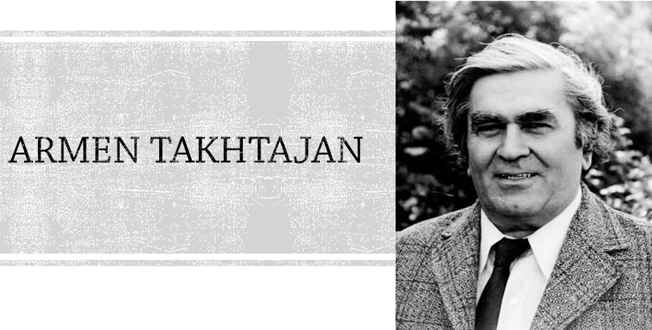
Present-day Armenian-born botanist & systematist Armen Leonovich Takhtajan (1910-2009) was one of the most influential figures of 20th century in the field of plant evolution, systematics, and biogeography. His other interests included morphology of flowering plants, paleobotany, and the flora of the Caucasus (region between the Black sea & the Caspian sea). Good to know …
Read More »
Plantlet
Cryptogams
17,136
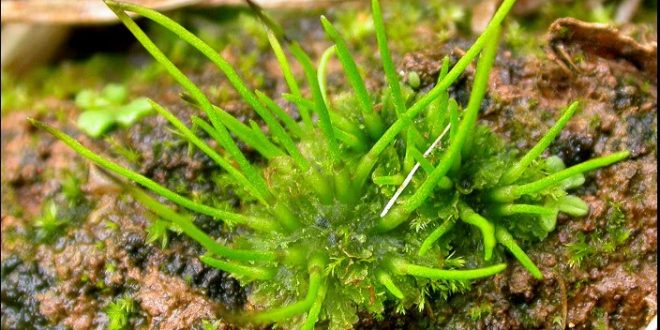
Systematic position Division: Bryophyta Class: Anthoceropsida Order: Anthocerotales Family: Anthocerotaceae Genus: Anthoceros Habit and Habitat The name ‘Anthoceros’ means ‘flower horn’ and refers to the characteristics horn-shaped saprophyte. Anthocerosis a genus of hornworts in the family Anthocerotaceae. With about 250 species, it is widely distributed in the tropical and temperate regions …
Read More »
Plantlet
Genetics, Lead
4,491
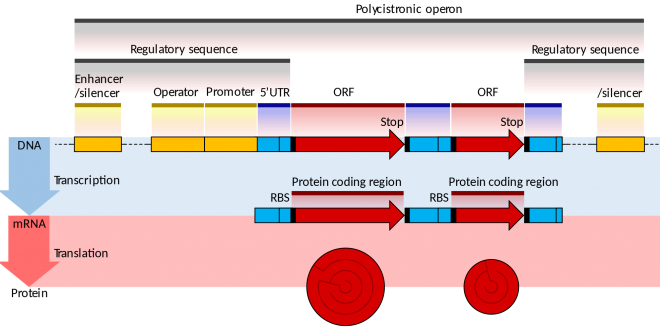
Transcription is the synthesis of RNA molecule using one of the DNA strands as a template. It is the first step in the transfer of genetic information from genotype to phenotype. However, this process of transcription is a highly selective one i.e definite genes are transcribed only when their products …
Read More »
Tubaia Zannat Juthi
Genetics, Lead
9,615
Every cell of an organism possesses all the structural genes or cistrons. The genes produce proteins and control the activities of the organism. But a genetic system doesn’t allow them to function all at a time in order to avoid enzymatic chaos. Many gene products are only needed occasionally by …
Read More »
Tarek Siddiki Taki
Cryptogams, Lead
2,178
(AB: This article only contains the use of peat from Sphagnum and it’s uses in gardening. Although some constructive discussions are in here to facilitate it, they are not exhaustive.) If you are fond of gardening or concerned about the dying condition of your trees, this article will be helpful …
Read More »
Ahmmod Awal Dipon
Cryptogams, Lead
13,592
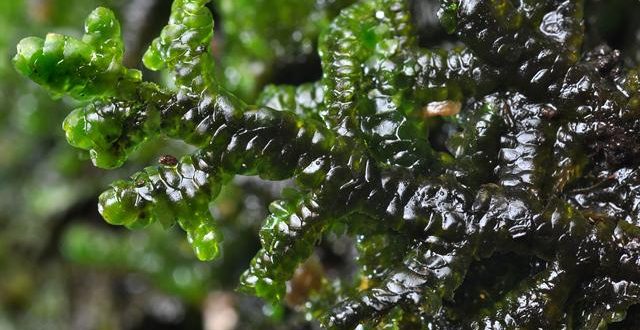
Systematic Position Division : Bryophyta Class : Hepaticopsida Order : Jungermanniales Family : Porallaceae Genus : Porella Habit And Habitat Get Free Netflix Now Best safe and secure cloud storage with password protection GPL Themes For Free Get Envato Elements, Prime Video, Hotstar and Netflix For …
Read More »
Plantlet
Cryptogams
17,780
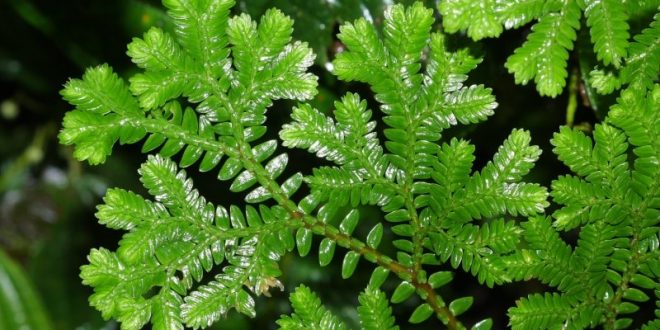
Selaginella sp. is the sole genus of the vascular plant under the family Selaginellaceae and order Selaginellales. The member of this order has herbaceous stems that are usually without any indication of secondary thickening. Commonly known as spike mosses. Classification Division: Lycophyta Class: Ligulopsida Order: Selaginellales Family: Selaginellaceae Genus: Selaginella …
Read More »
Mim Binta Islam
Uncategorized
8,184
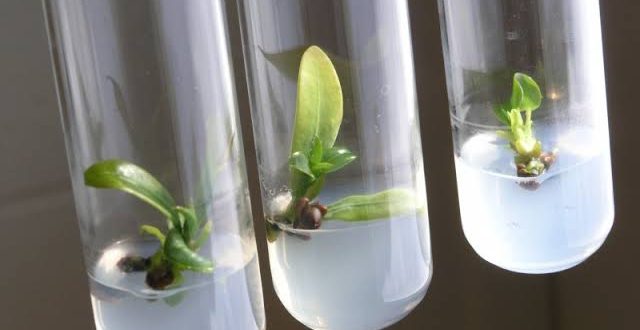
What is embryo culture? Embryo culture is the sterile isolation and growth of an immature or mature embryo in vitro with the goal of obtaining a viable plant. Embryo rescue technique in overcoming barriers of distantly related crops: Distant hybridization: Hybridization between individuals from different species, belonging to the same …
Read More »
Plantlet
Lead, Microbes
2,559
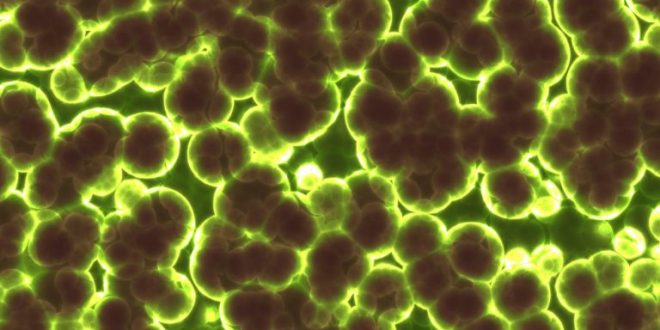
When we heard about bacteria the first thing that came to our mind is that it must be harmful for us. And it’s very common because the word”bacteria” generally indicates some sort of disease and is likely to repulse and scare we off. Scientists estimate that only 1-10% of total …
Read More »
Khaleda Akter
Microbes
6,372
‘Rickettsia’ is a genus of non-motile, gram-negative, non spore-forming, highly pleomorphic bacteria that may occur in the forms of cocci, rods, or threads. The term ‘rickettsia’ has nothing to do with ‘rickets’, which is a deficiency disease resulting from lack of vitamin D; the bacterial genus ‘Rickettsia’ was named after Howard Taylor …
Read More »
 Plantlet The Blogging Platform of Department of Botany, University of Dhaka