Israt Shupon
Featured, Genetics, Lead
10,556
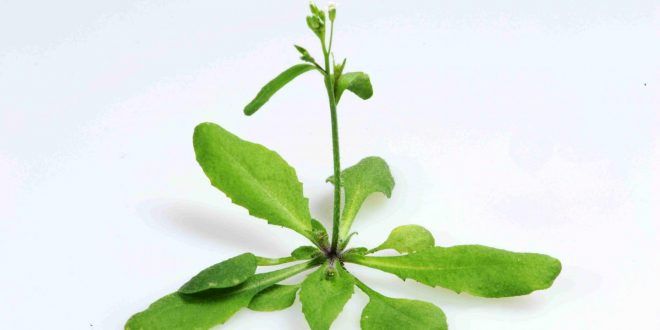
A model organism is a nonhuman species that is used as a framework to develop and standardize the analysis which is applicable to other species. It’s an in vivo model which is extensively used to study human diseases when human experimentation would be unethical. In studying human diseases, model organisms …
Read More »
Ahmmod Awal Dipon
Genetics, Lead
5,761
What is GMO? A Genetically Modified Organism (GMO) is an organism whose genetic materials has been altered using genetic engineering techniques. A GMO is the result of a laboratory process where genes from the DNA of one species are extracted and artificially forced into the genes of an unrelated plant …
Read More »
Razwana Tasnime
Physiology
4,597
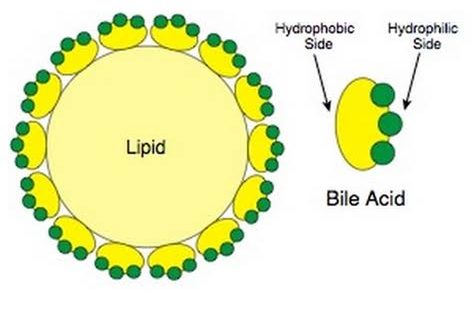
Lipids are a heterogeneous group of compounds that are related to fatty acids. They are usually esters of fatty acids with alcohols. Examples include fats, oils, waxes, and other substances. Fats (solid) and oils (liquid) = Glycerol (tri-hydroxy alcohol) + 3 fatty acids. Wax = Mono-hydroxyl alcohol + Fatty acid. …
Read More »
Plantlet
Career, Lead
3,081
GRE stands for Graduate Record Examination. If you are planning on getting yourself in a graduate school (doing your master’s) in mostly USA, you may need a GRE score to apply. It is the most common entrance exam and the largest assessment program for your graduate admission and students from …
Read More »
Plantlet
Fungi
8,069
Rhizoid and rhizomorphs are two common terms used in the study of fungi. Both of them are derived from the same word root. But still they maintain some differences. Rhizoid The name ‘Rhizoid’ is derived from the Latin prefix ‘rhizo’ – which means root. But it is not a root …
Read More »
Plantlet
Lead, Microbes
2,001
The vast majority of observed plant sap-feeding hemipterans colonized by primary symbionts are defined by three traits. First of all, phylogenetically as they are universally present in the host species, have much-reduced genomes and have evolved from multiple phylogenetic origins such as Alphaproteobacteria, Betaproteobacteria and Gammaproteobacteria, and Bacteroidetes. Secondly, they …
Read More »
Plantlet
Physiology
3,035
Fatty acid is an important constituent of fat and is the derivatives of hydrocarbon. It is a carboxylic acid (-COOH) with a long aliphatic chain, which is either saturated or unsaturated. Some fatty acids may have hydroxyl group in its chain (hydroxy fatty acids) and still others may possess ring …
Read More »
Farzana Rayhan Runa
Featured, Fungi, Physiology
20,639
Jute is a long shiny vegetable fibre that can be spun into coarse strong threads. India, China and Bangladesh are three major producers in the cultivation or production of jute fibre. Before understanding the diseases, lets know different parts of a jute plant so that we can understand where to …
Read More »
Plantlet
Ecology, Lead
517
The environment nurtures us in the best way it can. It supplies us with things without which we would fall in an existential crisis and perish in a matter of time. Though these words we all understand make the importance of environment clear, it is us and our activities which …
Read More »
Plantlet
Ecology, Lead
772
The water cycle is a cycle that causes the cycling flow of water in different forms and both up, below and at the earth surface. We know, water can be present at three stages such as: solid, liquid and gaseous. These all forms are seen in the water cycle where …
Read More »
 Plantlet The Blogging Platform of Department of Botany, University of Dhaka