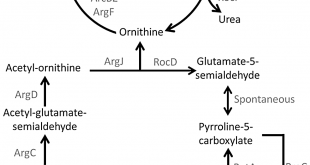
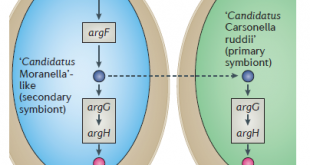
The vast majority of observed plant sap-feeding hemipterans colonized by primary symbionts are defined by three traits. First of all, phylogenetically as they are universally present in the host species, have much-reduced genomes and have evolved from multiple phylogenetic origins such as Alphaproteobacteria, Betaproteobacteria and Gammaproteobacteria, and Bacteroidetes. Secondly, they …
Read More »Introduction to Fatty acids
Fatty acid is an important constituent of fat and is the derivatives of hydrocarbon. It is a carboxylic acid (-COOH) with a long aliphatic chain, which is either saturated or unsaturated. Some fatty acids may have hydroxyl group in its chain (hydroxy fatty acids) and still others may possess ring …
Read More »Demorphic Growth Principle and Energy Slave
The environment nurtures us in the best way it can. It supplies us with things without which we would fall in an existential crisis and perish in a matter of time. Though these words we all understand make the importance of environment clear, it is us and our activities which …
Read More »The Water Cycle and The Origin, Present and Future of Water
The water cycle is a cycle that causes the cycling flow of water in different forms and both up, below and at the earth surface. We know, water can be present at three stages such as: solid, liquid and gaseous. These all forms are seen in the water cycle where …
Read More »A Preliminary Guide on the Ecosystem and the Earth’s Structure
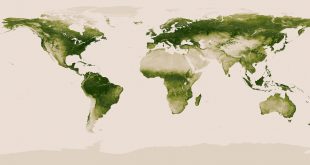
Biology, a mother science concerns everything related to life. It considers both plant and animal kingdom and also the world that we can’t see but abounded with minute life. Considering the aspects of living beings, this science sometimes needs to go beyond the living world to understand the correlation between …
Read More »Alkaloids: A Secondary Metabolite
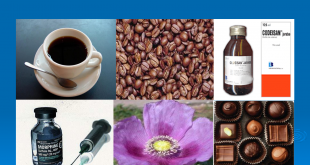
All of us might have heard about nicotine, cocaine and morphine. These are some bad world’s words that we always keep us away from. However, in biochemistry, a beautiful science where every natural compounds are discussed, these bad words along with some beauties have taken a very special sub-field known …
Read More »Heterosis Breeding: Being Better Than Parents
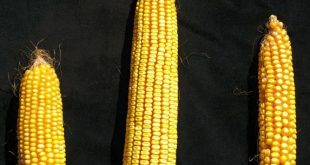
Introduction Heterosis means deviation of the characteristics of offspring from the actual characters of parents. Heterosis is often called true heterosis or euheterosis. It may be defined as the superiority of an F1 hybrid over both of its parents in terms of yield or some other characters (vigorous, sturdier, taller …
Read More »গাছকে আমরা কতটুকু জানি ?
মানুষ সৃষ্টির শ্রেষ্ঠ জীব কিন্তু আশ্চর্যজনক হলেও সত্য যে এই শ্রেষ্ঠ জীবনটিই প্রত্যক্ষ বা পরোক্ষভাবে উদ্ভিদের উপর নির্ভরশীল। আমাদের চারপাশের পরিবেশে দৃষ্টিপাত করলে দেখতে পাব যে, কতই না বিচিত্র আমাদের চারপাশের প্রানিকুল। মানুষের কথাই ভাবি, কেউ কেউ কটূক্তি করলে বা আঘাত করলে আমরা প্রতিশোধপরায়ণ হয়ে যাই কিন্তু গাছ? আপনার …
Read More »Endosymbiosis in Plant Sap-Feeding Insects (Part-1)
Healthy animals are colonized by microorganisms routinely. The Human Microbiome, for example, is restricted to five body sites, such as skin, oral cavity, pulmonary tract, gastrointestinal tract, and urogenital tract. Some animals are, however, colonized by substantial populations of microorganisms at sites inside of the body wall, e.g. in the …
Read More »Blue-Green Algae: A Brief Introduction to the Prokaryotic Photosynthesizers
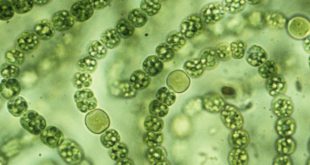
Blue-Green Algae (BGA) The class Myxophyceae or Cyanophyceae is commonly called Blue-Green algae because of the presence of a principal bluish-green pigment (c-phycocyanin) along with green chlorophyll-a, yellowish carotenoids, and some quantity of Myxoxanthin. The combination of the abundant blue and green pigments as mentioned above give these organisms a …
Read More »
Plantlet The Blogging Platform of Department of Botany, University of Dhaka