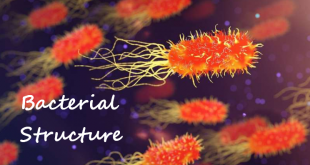
Bacteria (singular: bacterium) are classified as prokaryotes. They are single-celled life/body with a simple core-less internal structure and contain DNA that swims freely in a twisted, thread-like matter called a nucleoid, or in circular parts called plasmids. Bacteria are single-celled microscopic life/organisms that grow in different environments, and these organisms can live in …
Read More »Protein and Peptides: An Inevitable Source of Nutrition (Part 1)
Proteins are large biomolecules, or macromolecules, consisting of one or more long chains of amino acid residues. Proteins perform a vast array of functions within organisms, including catalysing metabolic reactions, DNA replication, responding to stimuli, providing structure to cells, and organisms, and transporting molecules from one location to another. Proteins differ from one another primarily in their sequence of amino acids, which …
Read More »Lipids and Fatty Acids: An Inescapable Organic Compounds
In biology and biochemistry, a lipid is a macro-biomolecule that is soluble in nonpolar solvents. Non-polar solvents are typically hydrocarbons used to dissolve other naturally occurring hydrocarbon lipid molecules that do not (or do not easily) dissolve in water, including fatty acids, waxes, sterols, fat-soluble vitamins (such as vitamins A, D, E, and K), monoglycerides, diglycerides, triglycerides, and phospholipids. …
Read More »Amino Acid and Peptides:An Inevitable Organic Compounds
Proteins are an extremely important class of macromolecule in living organisms. More than 50% of the dry mass of most cells is protein. Proteins have many important functions. Amino Acids are the building units of proteins. Proteins are polymers of amino acids linked together by what is called “Peptide bond”. …
Read More »Mechanism of Photosynthesis: Light Dependent Phase
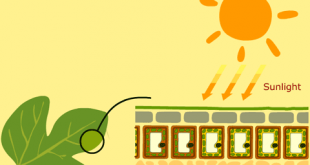
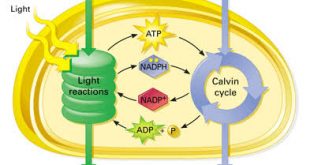
Photosynthesis is a chemical reaction that takes place inside a plant, producing sugar type food for the plant to survive. Carbon dioxide, water and light are all needed for photosynthesis to take place. It happens in the leaves of a plant and the other green portions as well. The process of photosynthesis …
Read More »Mechanism of Photosynthesis: Light Independent Phase
Photosynthesis is a chemical reaction that takes place inside a plant, producing sugar type food for the plant to survive. Carbon dioxide, water and light are all needed for photosynthesis to take place. It happens in the leaves of a plant and the other green portions as well. The process of photosynthesis …
Read More »Factors of Photosynthesis
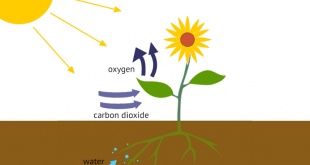
Photosynthesis is a chemical reaction that takes place inside a plant, producing sugar type food for the plant to survive. Carbon dioxide, water and light are all needed for photosynthesis to take place. It happens in the leaves of a plant and the other green portions as well. This biochemical process is …
Read More »The Structure Of DNA and RNA
One of the features of the ‘genetic molecule’ would have to be the ability to carry instructions – a sort of blueprint – for the construction and behavior of cells and the way in which they grow together to form a complete living organism. Another would be the ability to …
Read More »Carbohydrate: An Introduction to Carbs
Any of numerous substances that are produced by cells and living organisms are called Biomolecule or biological molecule. Biomolecules have a wide range of sizes and structures to perform a vast array of functions. There are four major types of biomolecules, they are- carbohydrates, lipids, nucleic acids and proteins. Carbohydrates …
Read More »Gibberellin & Cytokinin
Gibberellin Gibberellins (GAs) are plant hormones that regulate various developmental processes, including stem elongation, germination, dormancy, flowering, flower development, and leaf and fruit senescence.1 They are one of the longest known plant hormones. A key part of the Green Revolution during the 1960s, which saw crop yields more than double, was the development of new dwarf varieties, many of which were later …
Read More »
Plantlet The Blogging Platform of Department of Botany, University of Dhaka