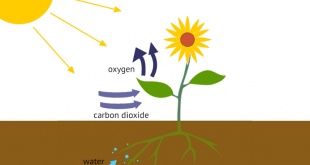
Good to know Plants respire all the time, whether it is dark or light. They photosynthesise only when they are in the light. Conditions Photosynthesis vs respiration Overall result Dark Respiration No photosynthesis Oxygen taken in Carbon dioxide given out Dim light Photosynthesis rate equals respiration rate Neither gas …
Read More »Polysaccharides: The Long Chain of Simple Sugars
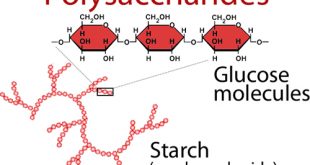
Polysaccharides are polymeric carbohydrate molecules composed of long chains of monosaccharide unit bound together by glycosidic linkage. Example: starch, glycogen, cellulose, chitin etc. Characteristics of polysaccharide On hydrolysis, they yield monosaccharide units which are usually similar. D glucose is the commonest component of polysaccharide. They have high molecular weight. They …
Read More »Disaccharides: Bonding of Two Simple Sugars
A disaccharide, also called double sugar, is the sugar formed when two monosaccharides (simple sugars) are joined by a glycosidic linkage. Like monosaccharides, disaccharides are soluble in water. Three common examples are sucrose, lactose, and maltose. Disaccharides are one of the four chemical groupings of carbohydrates (monosaccharides, disaccharides, oligosaccharides, and polysaccharides). The most common …
Read More »Protein: Discovery, Characteristics, and Structures
The word protein refers to a type of molecule in food that can be broken down into amino acids. They are biochemical compounds consisting of one or more polypeptides typically folded into a globular or fibrous form, facilitating a biological function. Protein accounts on average about 1/4th to 1/3rd of …
Read More »Photosynthesis: Introduction & Requirements
Photosynthesis is a chemical reaction that takes place inside a plant, producing sugar type food for the plant to survive. Carbon dioxide, water and light are all needed for photosynthesis to take place. It happens in the leaves of a plant and the other green portions as well. Photosynthesis is a …
Read More »Heterocyst: A Botanical Enigma
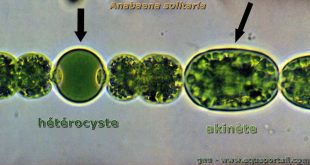
Imagine being a very special sibling, having some unique features, acting in a good and interestingly weird way unlike others – feeling important already, right? Heterocyst is such a sibling of other algal cells which altogether make a filamentous structure of the algae. Whereas the other cells perform the function …
Read More »Essential Oil: A Concentrated Hydrophobic Liquid
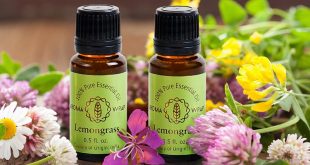
Essential Oil Essential oil is a concentrated hydrophobic liquid containing volatile aroma compounds from plants. They are usually lipophilic (literally: oil-loving) compounds that usually are not miscible with water. Also, they can be diluted in solvents like pure ethanol and polyethylene glycol. They are also known as volatile oils, ethereal …
Read More »Terpenoids: A Structurally Diverse Class of Natural Products
An enormous range of plant substances are covered by the term ‘Terpenoids’ which is used to indicate that all such substances have a common origin. This Terpenoids are a diverse group of naturally occurring organic compounds mostly found in plants. They are any of a class of hydrocarbons that consist …
Read More »The Lipid
Lipids are a heterogeneous group of compounds that are related to fatty acids. They are usually esters of fatty acids with alcohols. Examples include fats, oils, waxes, and other substances. Fats (solid) and oils (liquid) = Glycerol (tri-hydroxy alcohol) + 3 fatty acids. Wax = Mono-hydroxyl alcohol + Fatty acid. …
Read More »Introduction to Fatty acids
Fatty acid is an important constituent of fat and is the derivatives of hydrocarbon. It is a carboxylic acid (-COOH) with a long aliphatic chain, which is either saturated or unsaturated. Some fatty acids may have hydroxyl group in its chain (hydroxy fatty acids) and still others may possess ring …
Read More »
Plantlet The Blogging Platform of Department of Botany, University of Dhaka