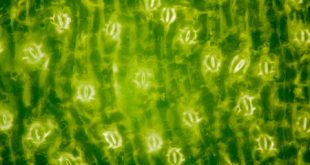
Oomycota: The organisms of Oomycota are not fungi in other words, they are Pseudofungi. They have been recognized as being notably different from the organisms included in the phylum Fungi for a long. As an illustration, in the classical concept, Oomycota species were allied with certain algae. However, because of a …
Read More »Blog Layout
Mucorales: The Largest Order of Zygomycetes
Zygomycetes(Gr. zygos= yoke; spora= seed, spore) are a variant fungal class of the phylum Zygomycota, mostly known as “Pin Molds”, can be found worldwide. There are 450 species which are grouped under 70 genera that make up the class Zygomycetes. The class zygomycetes is named after the thick-walled resting spores …
Read More »Linkage and Recombination (Part 2): Sex linkage in Drosophila, Linked gene & Synthetic gene
After Linkage and recombination part 1 We are going to learn from this part- Sex linkage Sex Linage in Drosophila Linked gene Synthetic gene X-linkage in Drosophila Linkage map Significance of linkage and crossing over Get Free Netflix Now Best safe and secure cloud storage with password protection GPL Themes …
Read More »Linkage and Recombination (Part 1): Chromosomal Theory, Linkage & Crossing Over
Genetics is a significant branch of biology concerned with the study of genes, genetic variation, and heredity in organisms. For example, there is human genetics, mouse genetics, fruit fly genetics, etc. So, do you know where genes are located? Every single living organism of the universe consists of lively cells (except viruses), and the …
Read More »Groundnut: Tikka disease
The most well-known leaf spot disease is that of Arachis hypogea L. (groundnut). Generally, so it is called the tikka disease. The tikka disease is a dangerous disease in areas where the groundnut crop is grown in India. The spots take place on the host leaves when the plants are …
Read More »DNA Repair Mechanism: Photoreactivation, Excision repair, Post Replication Recombinant Repair & SOS Repair
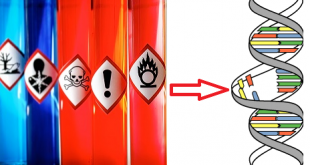
DNA damage is defined as an alternative to DNA structures that can cause cellular injury and reduces the organisms efficiency or reproductive fitness. DNA damage may occur by free radical, physical agents like UV rays, X rays and chemical agents like aflatoxine, alkylating agents, hydraxines. Further, DNA damage is intertwined …
Read More »Air Plants: Plants That Grow without Soil
When you hear the name of the word ‘plant’, first the thought will come to your mind that plants grow in the ground and can’t develop, reproduce and even survive without the existence of soil. The soil provides all the elements for its survival. But have we ever heard that …
Read More »Vector Mediated Gene Transfer: Commonly Used Vectors (Part 2)
Hello Everyone, Welcome to the Second Part of “Vector Mediated Gene Transfer: Commonly Used Vectors” series. In this part we will focus on Agrobacterium mediated gene transfer. Let’s start !!! Link of Part 1 is here. Agrobacterium Mediated Genetic Transformation Of various methods used for plant transformation, transformation mediated by Agrobacterium …
Read More »Vector Mediated Gene Transfer: Commonly Used Vectors (Part 1)
If we want to know the subtle and intricate mechanism of life and how it revolves in molecular level, we must have to know about the basic fundamental concepts of molecular biology, an interdisciplinary branch of science which begins its journey with the amalgamation of some distinct disciplines such as …
Read More »History of Botanical Exploration: Indian Subcontinent (Part 2)
Hello Everyone, hope you have gathered some knowledge from the previous part of “History of Botanical Exploration: Indian Subcontinent” series. This is the Second part of History. Here we will explore rest of the three pioneers who made magnificent contribution to foster plant taxonomy study to the next level. I …
Read More »
Plantlet The Blogging Platform of Department of Botany, University of Dhaka