Plantlet
Genetics, Uncategorized
5,258
Introduction Plant breeding is the science of changing the traits of plants in order to produce desired characteristics. It started with sedentary agriculture and particularly the domestication of the first agricultural plants. The development of plant breeding as a special feild of study has been associated with and dependent upon …
Read More »
Plantlet
Angiosperm, Taxonomy
19,505
Before starting the detailed discussion first I simply answer the first arising question what is author citation? In a sense of Botany, every living being has a unique botanical name by which it is recognized (i.e.Mango=Mangifera indica, Jackfruit=Artocarpus heterophyllus), if it does not have any then it will have sooner …
Read More »
Tarannum Ahsan
Ecology, Featured
2,349
In an ancient lake bed in the Southern Hemisphere, scientists studying fossil leaves found out the mechanism of the plants living during the Miocene Epoch. The world used to have an elevated level of carbon dioxide in the atmosphere. With an increased rate of carbon dioxide in the air, it …
Read More »
Ferdous Ahamad Opi
Genetics, Taxonomy
5,596
The polymerase chain reaction, generally known as PCR, is used in almost every application of gene technology. It is a method for rapid production of a very large number of copies of a particular fragment of DNA. Virtually unlimited quantities of a length of DNA can be produced from the …
Read More »
Plantlet
Fungi, Lead
27,432
Article author: Shawon Gosh Payell Synchytrium endobioticum is one of the chytrid fungi which causes black scab or the wart disease of potato. Though potato is the only cultivated host but Some other plants of the genus Solanum are also infected by it. According to Karling (1964), it has a …
Read More »
Plantlet
Ecology
13,792
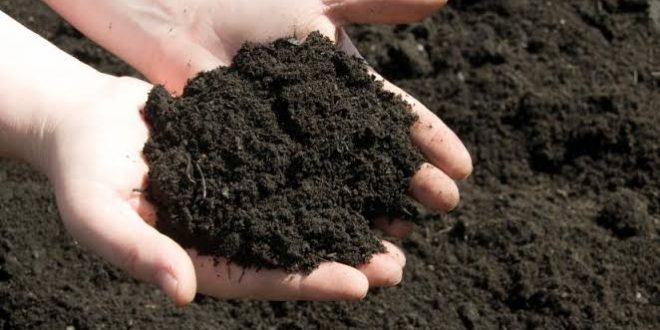
The term ‘soil solution‘ refers to the liquid phase of soil which consists of dissolved substances both organic and inorganic, in ionic or in molecular form. It is the focal point of soil chemistry. Its importance in soil development, nutrient availability, and plant growth can broadly be divided into two …
Read More »
Noushin Sharmili Suzana
Angiosperm
10,516
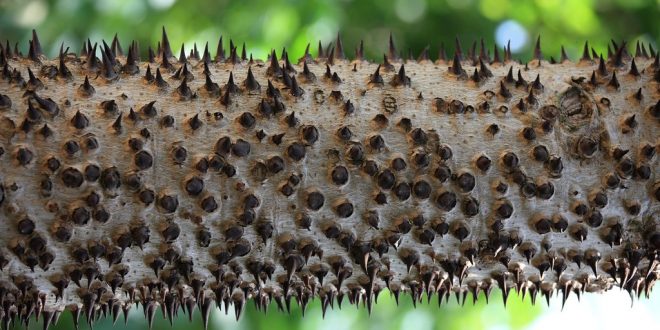
Have you ever heard about nature being so furious with us and producing explosives? Producing Explosives through “The Dynamite Tree”? Well, if the answer is a no, then here I am to introduce you to one of the most dangerous trees you’ll ever hear about! In most of the places, …
Read More »
Plantlet
Genetics
4,655
“Healthy citizens are the greatest asset any country can have.” Said late British prime minister Sir Winston Leonard Spencer Churchill. For maintaining good health, we require food. Thus, food ranks first among the basic necessity of life. Although food being produced to feed every individuals among all over the world. …
Read More »
Ferdous Ahamad Opi
Genetics, Lead, Taxonomy
7,371
DNA Barcoding DNA barcoding is a method of species identification using a short section of DNA from a specific gene or genes. Everyone is familiar with industrial barcodes as unique identifiers for commercial products. Similar to these industrial barcodes, short gene segments – known as DNA barcodes – are unique …
Read More »
Ferdous Ahamad Opi
Genetics, Lead, Taxonomy
9,351
What is “A Marker”? A marker may be defined as a “Mark of identification”. In Biology three major types of markers are used: Morphological markers (also called “classical” or “visible” markers) which are phenotypic traits. Biochemical markers- called isozymes-are multiple forms of enzymes, including allelic variants of enzymes. A genetic …
Read More »
 Plantlet The Blogging Platform of Department of Botany, University of Dhaka